

Mushroom coffee tastes like coffee, not like sautéed mushrooms. Expect an earthy, nutty undercurrent riding on top of familiar roast flavor, with less acidity than a regular cup. The exact experience shifts by formulation: a ground coffee blend brews close to what you already drink, while instant mixes and coffee-free blends can taste noticeably different depending on what’s mixed in.
TL;DR:
- Mushroom coffee generally contains less caffeine than regular coffee, offering a calmer energy boost suitable for sensitive drinkers.
- The flavor is earthy, nutty, and smooth, with sour or bitter notes minimized through processing and roasting choices.
- Instant mixes often include sweeteners and flavorings that shift the taste toward lattes or hot chocolates rather than traditional black coffee.
- Ground-infused blends brewed in a French press or drip machine closely resemble regular coffee, making them a safer choice for flavor consistency.
- The taste does not reflect the savory umami of culinary mushrooms because extracts focus on beneficial compounds rather than full mushroom flavor.
Table of Contents
- Mushroom Coffee Taste Profile: Aroma, Body, and Finish
- Why It Doesn’t Taste Like Culinary Mushrooms
- How Blend Type Changes the Flavor of Mushroom Coffee
- Taste vs. Effect: Why Mushroom Coffee Can Feel Different
- How to Taste-Test Mushroom Coffee the Right Way
- How Emberk Balances Flavor and Function
- Who Should Try It and Who Might Skip It
- Why Emberk Is Worth Your First Cup
- Sources
- FAQ
Mushroom Coffee Taste Profile: Aroma, Body, and Finish
The aroma is the biggest tell that you’re not drinking a mushroom broth. Crack opens a bag of Emberk-style blends and you’ll smell roasted coffee first, with a faint earthiness trailing behind it, similar to how a dark roast might smell slightly smoky.
Bitterness tends to run lower than a standard drip coffee, and the finish is smooth rather than sharp. Harvard Health describes the overall flavor as “earthy, smooth, and slightly nutty,” which lines up with what most drinkers report after their first cup.
The specific mushroom used nudges the profile in small but noticeable ways:
- Lion’s mane tends to read neutral to slightly creamy, blending in without a strong signature.
- Chaga leans woodsy and mildly earthy, closer to a dark roast than a mushroom.
- Reishi can turn bitter if a blend overdoses it, which is why quality producers keep the ratio light.
- Cordyceps and turkey tail are typically flavor-neutral in the amounts used for coffee blends.
Tasting notes compiled from consumer reviews classify the flavor components as mild earthiness, low acidity, subtle nuttiness, and sometimes a light chocolatey or chai-like note, depending on the specific blend. None of that resembles a plate of grilled portobellos.
Why It Doesn’t Taste Like Culinary Mushrooms
The gap between “mushroom coffee” and actual mushrooms comes down to processing, not marketing spin. Culinary mushrooms get their savory, umami punch from cooking whole fruiting bodies in fat or broth, which releases glutamates and creates that deep, meaty flavor. Functional mushroom coffee uses concentrated extracts of the fruiting body instead, and those extracts are processed specifically to isolate beneficial compounds, not flavor compounds.
A few production choices keep coffee notes dominant:
- Extracts are dosed lightly, often just enough to deliver the functional benefit without overpowering the cup.
- Producers select roast levels and bean origins that mask any residual earthiness from the mushroom.
- Water or alcohol extraction methods pull out specific soluble compounds, which limits how much raw mushroom character carries into the final product.
Nutrition experts note that these products get formulated for therapeutic properties and a familiar coffee-like taste, not for savory mushroom flavor, according to Forbes Health. The mushroom is doing a job in the background. It isn’t trying to steal the show.
How Blend Type Changes the Flavor of Mushroom Coffee
Not all mushroom coffee is built the same way, and the format you buy predicts a lot about what lands in your cup.
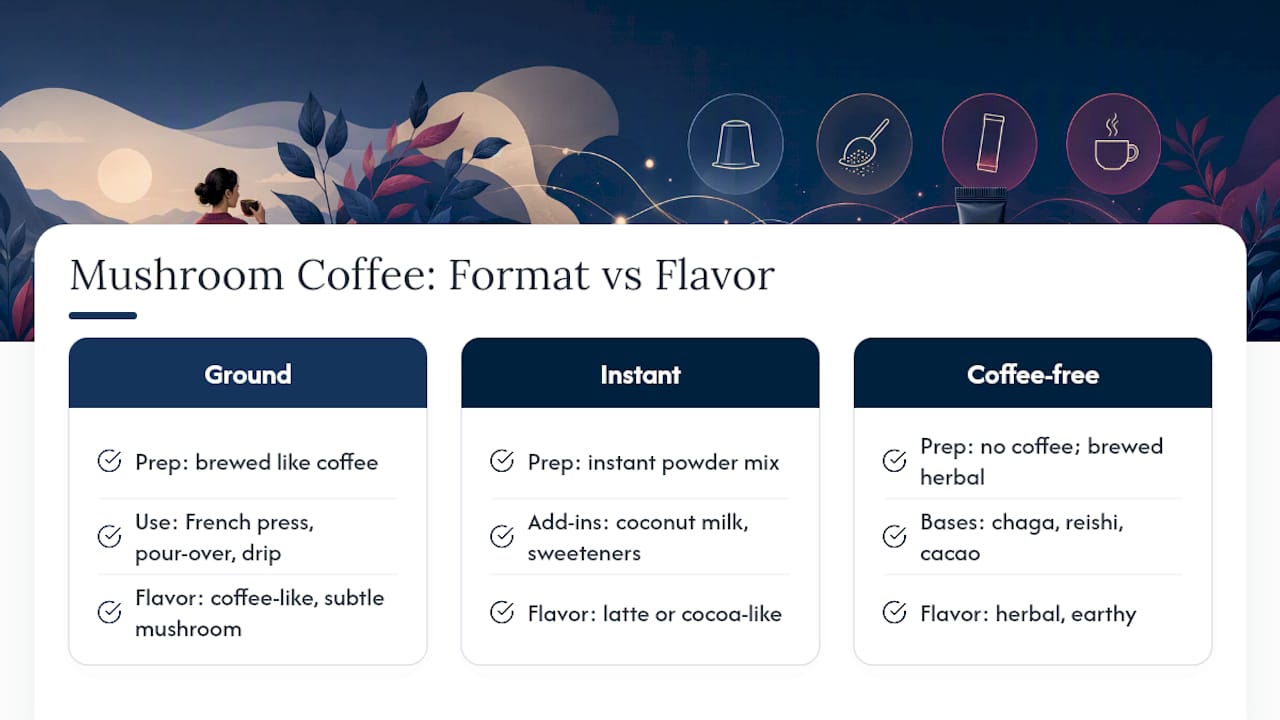
Ground coffee infused with mushroom extract is your safest bet if you want something that tastes like coffee. You brew it in a French press, pour-over, or drip machine exactly like you would a regular bag, and the mushroom extract rides quietly under the roast flavor. Serious Eats found that blends made this way brew and taste very similarly to traditional coffee, with the mushroom presence barely registering.
Instant powder mixes tell a different story. Many include coconut milk powder, cacao, monk fruit, or other sweeteners, which pushes the flavor toward a latte or hot cocoa rather than a black coffee experience. That’s not a flaw. It just means you’re drinking something closer to a mushroom-spiked cocoa than a cup of Joe.
Coffee-free mushroom drinks skip coffee entirely and lean into chaga, reishi, or cacao bases instead. These taste more herbal and earthy, and they won’t satisfy anyone hoping for a classic coffee hit. If you’re testing the category for the first time, know which format you’re buying before you judge the whole category by one bad sip.
Taste vs. Effect: Why Mushroom Coffee Can Feel Different
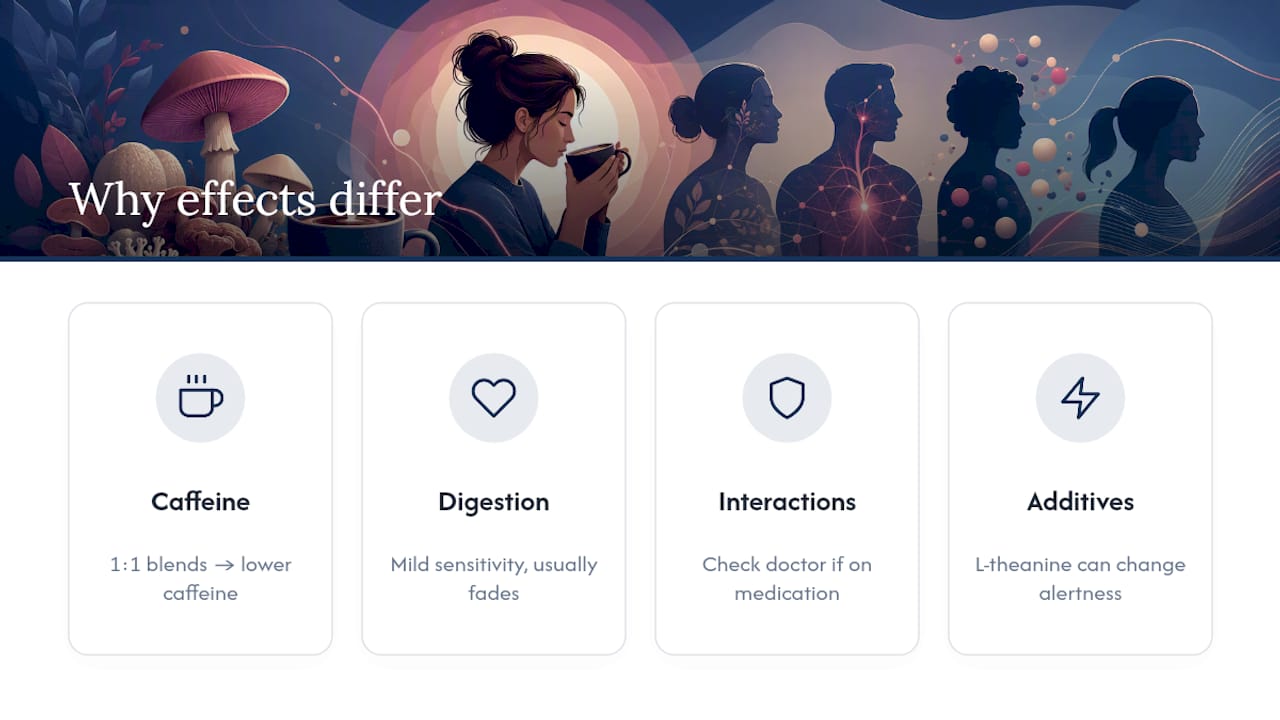
A cup can taste perfectly normal and still leave you feeling something unfamiliar, and that’s worth separating from flavor complaints. Because mushroom powder contains no caffeine and many blends mix it roughly 1:1 with coffee grounds, the resulting cup often has substantially less caffeine than a regular brew. For people sensitive to jitters, that reduction is the whole appeal, and it can feel like calmer, steadier energy rather than a spike and crash.
Some drinkers report mild digestive sensitivity when trying a new mushroom blend for the first time, which tends to fade as the body adjusts. If you take medication or manage a health condition, check with a doctor before adding adaptogenic mushrooms to your routine, since research on interactions is still limited.
Added ingredients like L-theanine can also shift how alert or relaxed you feel, independent of taste, which is worth knowing before you blame the mushrooms for a strange sensation that’s actually coming from something else in the blend.
How to Taste-Test Mushroom Coffee the Right Way
A fair first impression takes about five minutes and a little patience; this aligns with a sensory-guide approach to tasting mushroom coffee as explained in What Is a Culinary Experience? A Sensory Guide. Rushing the process is the number one reason people write off mushroom coffee after one bad cup.
- Prepare it exactly per the label. Water temperature and ratio matter more than people expect, especially with instant mixes.
- Smell before you sip. The aroma tells you a lot. If it smells like roasted coffee with a faint earthy edge, you’re on track.
- Taste it black first. This gives you an honest read on the base flavor before anything else changes it.
- Add milk or a sweetener and taste again. Note how the flavor shifts. Some blends transform completely with a splash of oat milk.
If you want the closest experience to your usual cup, start with a ground-infused blend and brew it medium-dark for stronger coffee notes. For instant mixes, slightly cooler water reduces bitterness. A touch of cacao, cinnamon, or maple syrup can round out any lingering earthiness without masking the coffee character underneath.
Pro Tip: Skeptics should start with a ground-infused blend brewed in a French press before trying instant or coffee-free options. It gives your palate a familiar anchor point before you branch out.
How Emberk Balances Flavor and Function
Emberk builds its blends around organic coffee infused with six functional mushrooms, including lion’s mane and five adaptogens, with no fillers added to stretch the mix. The goal is straightforward: keep the coffee experience intact while layering in mental clarity and steadier energy.
That means dosing mushroom extract conservatively enough that roast flavor stays in front, which matches the broader industry approach of prioritizing coffee character over mushroom presence. Emberk’s six-mushroom formulation draws on Lion’s Mane, Chaga, Reishi, Turkey Tail, Maitake, and Cordyceps sourced sustainably, without added sugars or artificial ingredients.
Customer feedback on the brand’s site points to smoother energy and better afternoon focus, though those are individual reports rather than clinical findings. Anyone weighing the functional benefits against flavor expectations should treat testimonials as anecdotal color, not medical proof.
— Emberk
Who Should Try It and Who Might Skip It
Mushroom coffee tends to click with health-conscious drinkers who already want lower acidity, gentler energy, and some curiosity about adaptogens without committing to a strange new taste. If you’ve been looking for a coffee that doesn’t wreck your stomach or spike your heart rate by 10 AM, this category was built for you.
It’s a harder sell if you love the bracing bitterness of a dark-roast black coffee with nothing softening it, or if you’re sensitive to herbal extracts in general. Pregnant readers, people on prescription medication, or anyone managing a chronic condition should talk to a clinician before adding functional mushrooms to a daily routine.
Why Emberk Is Worth Your First Cup
Emberk builds its lineup around organic coffee, lattes, and matcha, each infused with six functional mushrooms and zero fillers, so the flavor stays close to what your palate already expects. The Mushroom Coffee and Mushroom Latte are each priced as a one-off purchase at a set rate at Emberk, and the Matcha Latte is priced similarly for readers who want a caffeine option outside traditional coffee.
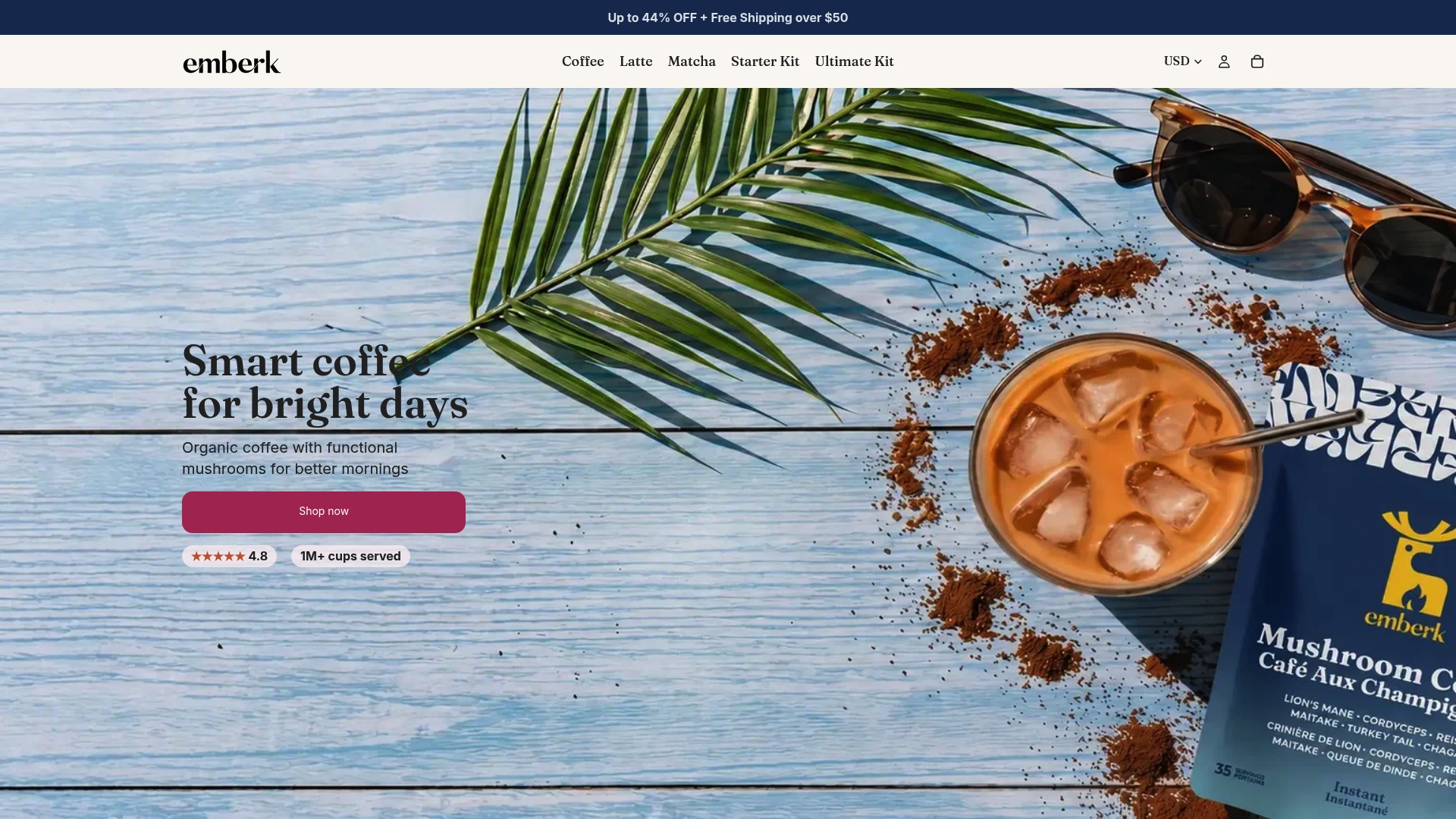
If you’re not ready to commit to a full bag, the Mushroom Coffee Travel Pack offers a more accessible way to try before buying in bulk. Browse the full product lineup and pick the format that matches how you already drink your coffee, whether that’s black, with milk, or blended into a latte routine.
Sources
- Mushroom coffee: worth a taste? | Harvard Health
- The 5 Best Mushroom Coffees of 2026, Tested & Reviewed | Serious Eats
- Mushroom coffee: benefits and risks | Healthline
FAQ
What Is the Downside to Mushroom Coffee?
The main downsides are a milder caffeine kick, which can disappoint drinkers who want a strong jolt, and occasional digestive sensitivity when trying a new blend for the first time. Instant mixes with added sweeteners can also taste less like coffee than expected, so checking the ingredient list helps set the right expectations.
What Does Mushroom Coffee Actually Taste Like?
It tastes like coffee with a subtle earthy or nutty undertone, not like cooked mushrooms. Harvard Health describes it as earthy, smooth, and slightly nutty, and blends like Emberk’s are formulated to keep roast flavor front and center.
Why Do I Feel Weird After Drinking Mushroom Coffee?
That sensation usually comes from lower caffeine intake changing how alert you feel, since many blends carry roughly half the caffeine of a regular cup once mushroom powder replaces part of the grounds. Added adaptogens can also shift mood or focus in ways that feel unfamiliar at first, and mild digestive sensitivity sometimes shows up with a new blend.
Are Mushroom Coffees Actually Good for You?
Functional mushrooms are linked to potential benefits like calmer energy and reduced jitters, but most supporting research comes from lab or animal studies rather than large human trials on the coffee itself. Emberk formulates its blends with organic, fruiting body mushrooms and no fillers, though individual results reported by drinkers should be treated as personal experience rather than clinical evidence.
0 comments