

Water is your baseline, full stop. From there, reach for green tea or matcha when you need calm, hours-long focus, and reach for coffee when you need a fast alertness spike before a short, intense session. Skip sugary sodas, energy drinks, and alcohol entirely. Functional options like mushroom coffee, including Emberk’s blends, can offer steadier energy for students who get jittery from regular coffee. Whatever you choose, watch your total caffeine and cut it off by mid-afternoon so it doesn’t wreck your sleep.
TL;DR:
- Drinking water before and during study sessions helps prevent even minor dehydration that can impair concentration and reaction time.
- Green tea and matcha offer sustained focus with less jitteriness due to their combination of caffeine and L-theanine, especially over long periods.
- Coffee provides quick alertness boosts but should be limited to early in the day to avoid sleep disruption and jitters from excessive intake.
- Functional mushroom coffee blends like Emberk’s can deliver steady energy with fewer side effects for caffeine-sensitive students.
- Sugary sodas, energy drinks, and alcohol should be avoided as they cause energy crashes and impair memory consolidation.
Table of Contents
- Why Water Should Be Your Study Drink Baseline
- Green Tea and Matcha: Steady Focus Without the Jitters
- Coffee: The Fastest Boost, But Handle the Dosing
- Functional Beverages and Adaptogen Drinks: A Lower-Jitter Alternative
- Smoothies, Juices, and Nutrient Drinks: Brain Fuel vs. Sugar Traps
- Worst Drinks for Studying and a Quick Safety Checklist
- Sample Timing and Dosing Schedule for a Study Session
- An Editorial Take on Choosing a Study Drink
- Try Emberk If Regular Coffee Leaves You Wired, Not Focused
- Sources
- FAQ
Why Water Should Be Your Study Drink Baseline
Your brain is mostly water, which means it depends heavily on proper hydration. Let that level drop even slightly and things start to grind. Losing just 1 to 2% of your body’s water measurably slows reaction time and chips away at concentration, according to public-health research on hydration and cognition. That is a small amount of fluid loss, well below what most people would notice as “thirsty,” and it can happen during a normal three-hour study block if you’re not drinking anything.
Controlled trials back this up. Research reviewed by Frontiers in Public Health found that fluid intake improved performance on short-term attention and memory tests. Thirst is a lagging indicator, not an early warning system, so waiting until you feel parched means you’re already behind.
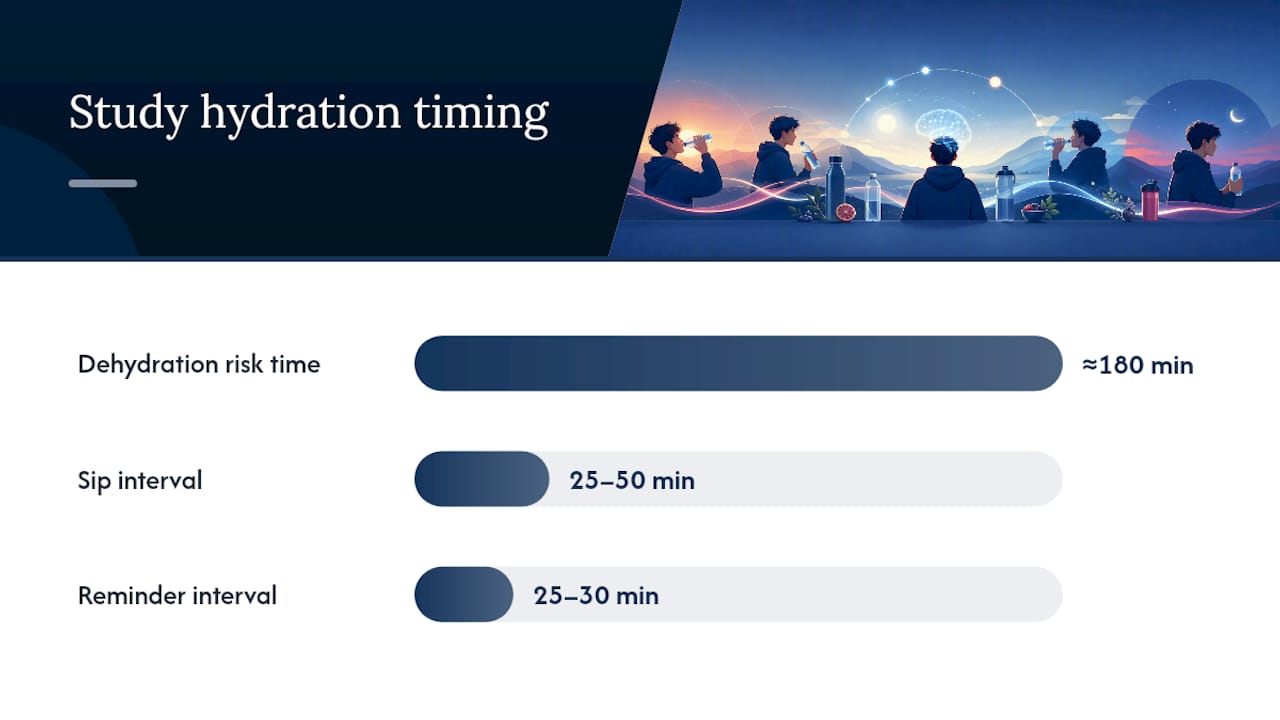
Pro Tip: Sip on a schedule, not on thirst. Set a phone reminder every 25 to 30 minutes during a study block and take a few swallows every time it buzzes.
A simple hydration routine for study sessions:
- Drink 8 to 16 ounces of water before you even open your notes.
- Keep a bottle within arm’s reach and sip every 25 to 50 minutes, matching your study block length.
- If plain water feels boring, try sparkling water or fruit-infused water. Both hydrate without the added sugar that plain juice or soda carries.
Once your hydration is handled, the next question is what to layer on top for actual mental sharpness.
Green Tea and Matcha: Steady Focus Without the Jitters
Green tea and matcha pair caffeine with L-theanine, an amino acid that takes the edge off stimulation without dulling alertness. Think of caffeine as the gas pedal and L-theanine as a steady hand on the wheel: you still move, but you don’t swerve. Research on this pairing shows improved attention and task switching with fewer jitters than caffeine consumed alone.
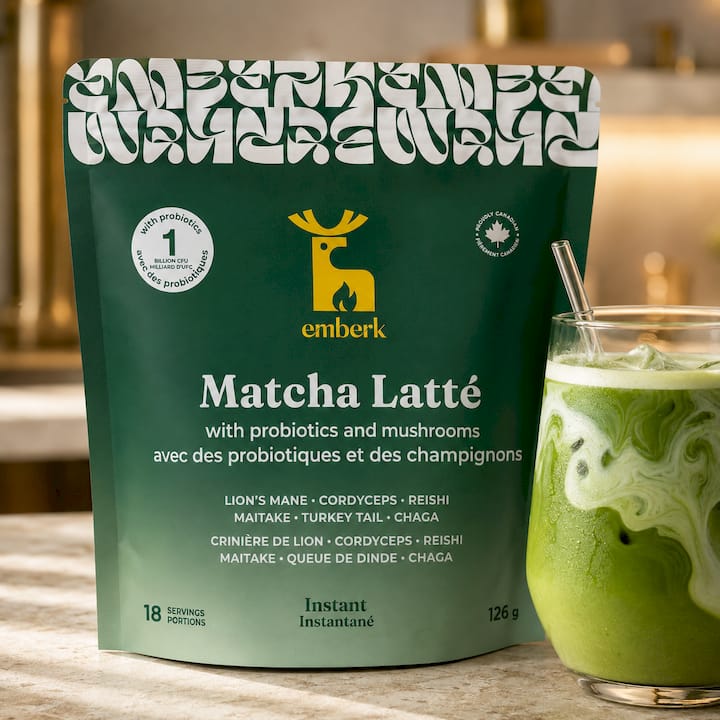
That combination matters most during long study sessions where you need hours of low-grade focus rather than one sharp burst. A cup of brewed green tea typically delivers 20 to 50 milligrams of caffeine, gentle enough that most students can drink two or three cups across an afternoon without feeling wired. Matcha is a different animal. Because you’re consuming the whole ground leaf instead of just a steeped extraction, matcha delivers noticeably more caffeine and more L-theanine per serving, which makes it a better fit for a three or four hour library session than a quick 20-minute review.
A few practical notes for getting this right:
- Steep loose green tea at around 175°F for two to three minutes. Water that’s too hot pulls out bitterness instead of flavor.
- Whisk matcha with a bamboo whisk or milk frother in a zigzag motion until it turns frothy and bright green, which usually takes 15 to 20 seconds.
- Reach for matcha over brewed tea when you want a longer, more sustained caffeine curve rather than a quick lift.
- Cap yourself at two to three cups of green tea, or one to two servings of matcha, before midday if you’re sensitive to caffeine.
If your exam prep involves marathon reading sessions, this pairing tends to outperform coffee for staying power, even though it moves the alertness needle more slowly.
Coffee: The Fastest Boost, But Handle the Dosing
Coffee works because caffeine blocks adenosine receptors in your brain, the same receptors that build up sleep pressure over the course of the day. Block them and you feel less tired, at least temporarily. A standard cup delivers roughly 80 to 100 milligrams of caffeine, and moderate doses in that range have been shown to improve reaction time and alertness, according to a review on caffeine’s cognitive effects.
Coffee is the right call for a short, intense session: cramming the night before a quiz, powering through a two-hour problem set, or getting your brain online for an early exam. It’s the wrong call as a substitute for sleep. Pulling an all-nighter fueled by coffee might get you through the material once, but the memory consolidation you need actually happens during sleep, not during the cramming itself.
General health guidance puts the safe daily ceiling for most healthy adults at a moderate caffeine amount, equivalent to multiple cups of coffee. That number adds up fast once you count tea, soda, and any energy drinks you might also be drinking that day.
A few rules worth following:
- Track your total daily caffeine across every source, not just your coffee cups.
- Stick to black coffee or low-sugar preparations. A caramel latte can add as much sugar as a candy bar on top of the caffeine.
- Pair coffee with water or a small snack. Caffeine on an empty stomach is a common cause of jitters and mild nausea.
- Cut off coffee by early afternoon if you have a normal bedtime, since caffeine’s half-life means a good chunk of it is still active six hours later.
Pro Tip: If you notice your hands shaking or your heart racing after coffee, that’s your dose talking, not your focus improving. Cut back before you add more.
Functional Beverages and Adaptogen Drinks: A Lower-Jitter Alternative
Functional beverages blend traditional coffee or tea with adaptogens, plants and fungi believed to help the body manage stress, or with mushroom extracts prized for their beta-glucan and antioxidant content. Mushroom-infused coffee and adaptogen lattes fall into this category, and they’re worth knowing about if regular coffee leaves you wired but not actually focused.
Emberk is a straightforward example. The brand infuses organic coffee with six functional mushrooms, Lion’s Mane, Chaga, Reishi, Turkey Tail, Maitake, and Cordyceps, sourced sustainably and extracted from fruiting bodies rather than mycelium filler. Some functional coffee brands have served many customers, offering instant coffee and latte formats designed for lower jitters and no afternoon crash compared to standard drip coffee.
The appeal of functional beverages isn’t that they replace evidence-based habits like hydration and sleep. It’s that they give caffeine-sensitive students a way to get some lift without the anxious edge that regular coffee can bring.
Clinical research on mushroom coffee specifically is still limited, and it’s worth being honest about that. What’s better established is that consumers consistently report steadier energy and fewer jitters with these blends, though large-scale trials haven’t caught up to the popularity yet.
If you want to test whether a functional beverage works for you, treat it like an experiment:
- Try a single serving on a low-stakes study day, not the morning of a final exam.
- Note whether you feel jittery, calm, or somewhere in between over the next few hours.
- Pay attention to your sleep that night, since even moderate caffeine late in the day can interfere with rest.
Smoothies, Juices, and Nutrient Drinks: Brain Fuel vs. Sugar Traps
Not every non-caffeinated drink helps your brain, and the difference usually comes down to sugar. A berry smoothie made with whole fruit, Greek yogurt, and a handful of spinach delivers fiber and protein alongside natural sugars, which means your blood glucose rises gradually and stays steadier for longer. Beetroot juice has drawn attention for its nitrate content, which may support blood flow, though the research is still developing.
Compare that to a bottled fruit juice or a flavored energy shot. Stripped of fiber, that same fruit sugar hits your bloodstream fast, spikes your energy for twenty minutes, and then drops you into a slump that’s worse than where you started. Sugary sodas and many mainstream energy drinks follow the same pattern. They create a rapid rise in energy followed by a crash that undermines the sustained attention studying actually requires, a cycle well documented in research comparing study beverages.
A few smarter swaps if you’re reaching for something other than water or caffeine:
- Coconut water for electrolytes on a long study day, especially if you’re also exercising.
- A spinach and berry smoothie with Greek yogurt instead of a store-bought fruit juice.
- Sparkling water with a splash of real fruit juice instead of soda, if you want fizz and flavor without the sugar load.
Worst Drinks for Studying and a Quick Safety Checklist
Some drinks actively work against you at your desk. Here’s what to avoid and why.
- Sugary sodas. The sugar spike and crash pattern tanks sustained attention within an hour, and the empty calories add up over a study season.
- Energy drinks. High caffeine stacked with high sugar and sometimes taurine can push heart rate and anxiety higher than most students realize, especially past a second can.
- Alcohol. Beyond the obvious impairment, alcohol disrupts the deep sleep stages where memory consolidation happens, which undercuts the whole point of studying in the first place.
Before you reach for anything, run through a short checklist: sleep is handled first, water is nearby, caffeine is tracked against your daily total, and sugar is kept in check. If you notice heart palpitations, real trouble falling asleep, or anxiety that feels sharper than usual, that’s a signal to stop and dial back, not push through with another cup.
Sample Timing and Dosing Schedule for a Study Session
Getting the sequence right matters almost as much as the drink itself. Start every session hydrated: a full glass of water before you sit down, then steady sipping throughout.
Caffeine works best when timed about 30 to 45 minutes before you need peak focus, giving it time to clear your gut and hit your bloodstream. Most students should avoid caffeine after mid to late afternoon to protect their sleep that night.
A simple schedule to try:
- Morning session: Water on waking, coffee or matcha 30 minutes before you start, then plain water throughout.
- Afternoon session: Green tea instead of a second coffee, since it delivers a gentler lift without stacking on top of your morning dose.
- Evening review: Water only, or a caffeine-free herbal tea, since anything stimulating this late will likely follow you into bed.
Pro Tip: If you’re highly caffeine-sensitive, swap your afternoon coffee for a low-caffeine matcha or a mushroom coffee blend instead of cutting stimulation entirely. You often keep the focus benefit without the wired feeling.
An Editorial Take on Choosing a Study Drink
Water first, then targeted stimulation, is not a marketing slogan. It is simply what the evidence supports, and Emberk’s editorial position starts there before any product gets mentioned. Once hydration is handled, the choice between coffee, tea, and functional blends comes down to what a given study session actually demands: a fast jolt for a short sprint, or calm endurance for a long one.
Mushroom coffee fits into that second category for a specific kind of student, the one who wants a lift without the 2 p.m. crash or the jittery hands. That’s a reasonable, evidence-informed alternative, not a cure. The honest approach is to treat every new drink as a small experiment. Track how you sleep, how steady your focus feels, and adjust from there.
— Emberk
Try Emberk If Regular Coffee Leaves You Wired, Not Focused
If jitters, crashes, or a racing heart have made you cautious about coffee, Emberk’s mushroom-infused blends give you a way back in without the usual side effects. Every batch uses fruiting-body extracts from Lion’s Mane, Chaga, Reishi, Turkey Tail, Maitake, and Cordyceps, sourced sustainably with no fillers, so what you’re drinking is a genuine functional coffee, not a caffeine product with a mushroom sticker on it.
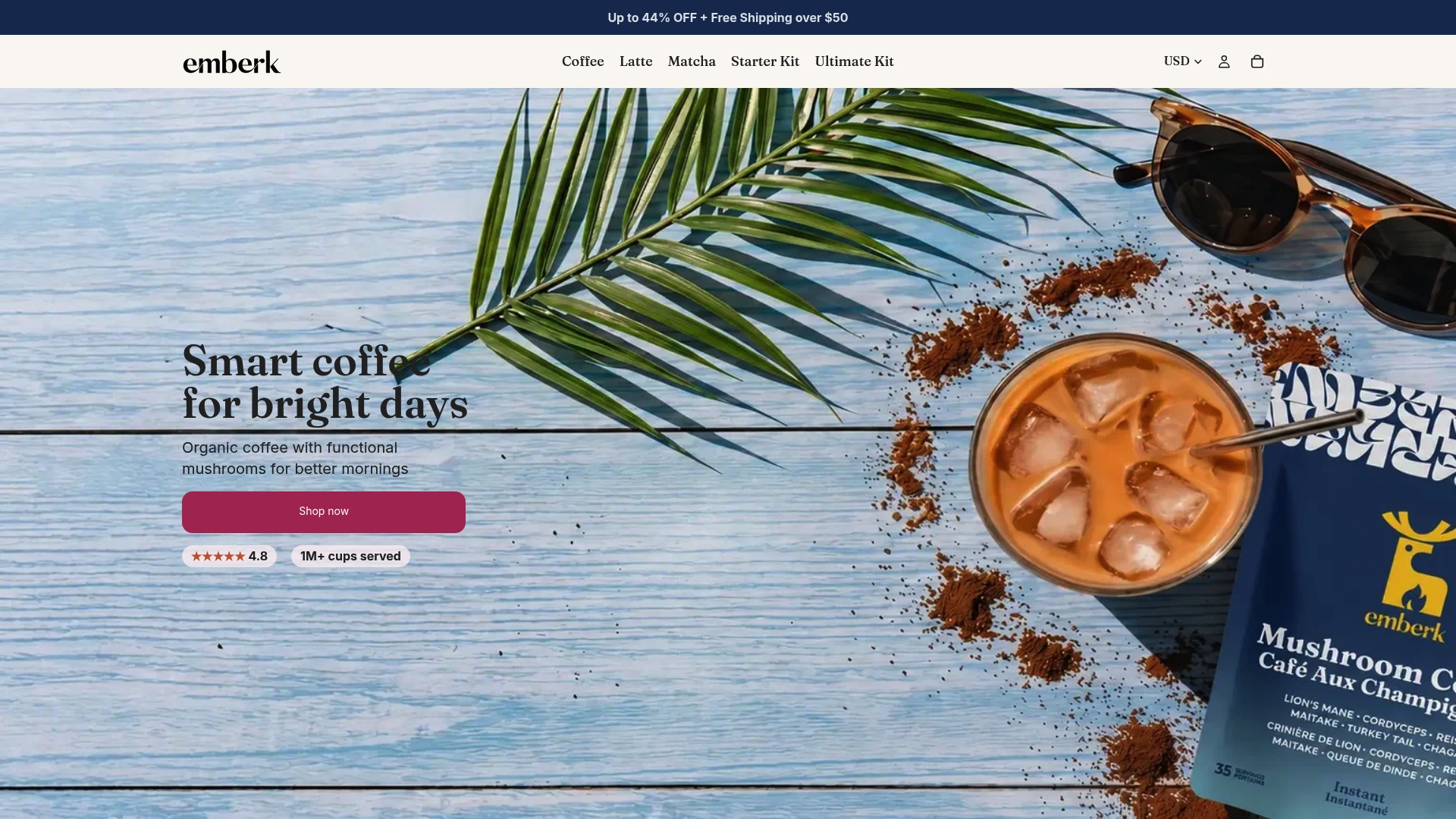
Start with a single serving of the Emberk Mushroom Coffee on a low-stakes study day rather than the morning of a big exam, and pay attention to how your focus and sleep respond over the following 24 hours. If you prefer something creamier, the Emberk Mushroom Latte delivers the same functional mushroom blend in a milkier format. For students who also want general focus supplements alongside their coffee routine, Elmntlab’s supplement collection is worth a look as a comparison point. Browse the full Emberk product lineup to find the format that fits your study routine, and place your first order today.
Sources
- Best and Worst Drinks for Studying — What the Research Says
- NCBI review material referenced in prompt
- Frontiers review on hydration and cognition
FAQ
What Is the Best Drink for Studying?
Water is the best baseline drink for studying because even mild dehydration slows reaction time and concentration. Layer in green tea or matcha for calm, sustained focus, or coffee when you need a faster alertness boost for a short session.
What Should I Drink While Studying?
Keep water within reach throughout your session and sip it regularly rather than waiting until you’re thirsty. Add a moderate caffeine source, coffee, green tea, or a lower-jitter option like mushroom coffee, timed 30 to 45 minutes before you need peak focus.
What Can I Drink to Help Me Focus When Studying?
Caffeine combined with L-theanine, found naturally in green tea and matcha, has been shown to improve attention with fewer jitters than caffeine alone. Functional coffee blends like Emberk’s mushroom coffee offer a similar steady-energy effect for students sensitive to regular coffee.
What Should I Avoid Drinking Before Studying?
Skip sugary sodas, energy drinks, and alcohol. All three create either a sugar crash or sleep disruption that undermines the sustained attention studying requires.
How Much Caffeine Is Safe While Studying?
General health guidance places the safe daily ceiling for most healthy adults around 400 milligrams of caffeine, roughly four standard cups of coffee. Track every caffeine source across your day, including tea and any energy drinks, to stay under that total.
0 comments