

If you want real coffee flavor with less caffeine, you have four practical routes: naturally low-caffeine varieties, decaffeinated coffee, half-caff blends, and brewing or portion adjustments. Each one works differently, and the best choice depends on how much caffeine you want to cut and how much flavor you’re willing to trade.
Here’s a quick look at each route:
-
Naturally low-caffeine varieties (Laurina, Aramosa, Coffea eugenioides, AC1, Racemosa): full coffee flavor, no chemical processing, but rare and expensive in the U.S.
-
Decaffeinated coffee: widely available, removes 97–99% of caffeine, but flavor quality varies by process and freshness.
-
Half-caff or low-caffeine blends: blends of regular and decaf beans delivering 25–50% of normal caffeine; the most practical starting point for most people.
-
Brewing and portion adjustments: reduce dose, shorten brew time, or dilute; no special beans needed, but caffeine reduction is modest.
For most health-minded readers, starting with a half-caff blend or a naturally low-caffeine specialty micro-lot is the most satisfying path. If you want a convenient, low-to-moderate caffeine option with added functional benefits, Emberk’s mushroom coffee blends are worth considering as a complementary approach.
Key Takeaways
Naturally low-caffeine varieties, quality decaf, and half-caff blends each reduce caffeine differently, and dose control remains the most reliable lever regardless of which beans you choose.
| Point | Details |
|---|---|
| Naturally low-caffeine varieties | Laurina, Aramosa, Eugenioides, AC1, and Racemosa contain roughly 0.3–0.8% caffeine vs. 1.4–1.6% in standard Arabica. |
| Decaf removes most caffeine | Common decaffeination processes are reported to remove roughly 97–99% of caffeine, but trace amounts always remain. |
| Dose beats roast for caffeine control | Roast level has a minimal effect; reducing your dose and brew time are the fastest ways to lower caffeine per cup. |
| Half-caff blends are the practical starting point | Blends of 50/50 or 60/40 regular and decaf beans deliver 25–50% less caffeine while preserving flavor. |
| Emberk as a functional alternative | Emberk’s mushroom coffee delivers low-to-moderate caffeine with six functional mushrooms for calm, sustained energy. |
Consult your healthcare provider if you have a medical condition, are pregnant, or have a known caffeine sensitivity before significantly changing your intake.
Table of Contents
-
Decaffeinated coffee vs. naturally low-caffeine beans: which to choose
-
Roast and brewing techniques that lower caffeine without losing flavor
-
Availability, price expectations, and where to find low-caffeine coffee in the U.S.
-
How to switch from regular coffee to lower-caffeine options: a practical plan
-
Emberk mushroom coffee as a low-to-moderate caffeine alternative
-
What actually matters when you’re choosing low-caffeine coffee
-
Emberk brings low-to-moderate caffeine and functional mushrooms together
What determines how much caffeine ends up in your cup
Most people assume a dark roast is stronger in caffeine. It isn’t. The real drivers of caffeine per cup are genetics, dose, and brew method, and understanding them gives you far more control than switching roast levels ever will.
Species and genetics come first. Variety and origin are more reliable indicators of bean caffeine than roast darkness. Robusta beans contain roughly twice the caffeine of Arabica. Within Arabica, certain mutations and hybrids carry dramatically less caffeine, which is exactly why varieties like Laurina and Coffea eugenioides have attracted so much attention from specialty roasters and researchers.
Roast level has a surprisingly small effect. Caffeine is thermally stable, so the difference in caffeine between a light and dark roast of the same bean is minor. What does change is bean density: darker roasts lose mass, so by weight you get slightly more caffeine per gram, but by volume (scoops) you get slightly less. Neither effect is large enough to matter for caffeine reduction.
Dose and brew method are where you actually have leverage. Grind size, water temperature, contact time, and serving size all shift how much caffeine ends up in your mug. A coarser grind extracts less. A shorter steep extracts less. A smaller serving delivers less. These variables compound quickly.
Key factors that raise or lower caffeine per cup:
-
Dose (grams of coffee): the single biggest variable; cutting from 18g to 12g per cup makes a meaningful difference.
-
Brew method: espresso has high caffeine concentration but a small serving; filtered drip coffee has lower concentration but a larger serving, often delivering more total caffeine.
-
Contact time: longer steeps (French press, cold brew concentrate) extract more caffeine.
-
Water temperature: hotter water extracts caffeine faster; lower temperatures slow extraction.
-
Serving size: a 12 oz cup of drip coffee delivers more caffeine than a 6 oz cup of the same brew.
Pro Tip: Weigh your coffee rather than scooping it. Dose consistency is the fastest way to control caffeine per cup, and a $15 kitchen scale gives you more precision than any roast-level switch.
Naturally low-caffeine coffee varieties worth knowing
Naturally low-caffeine varieties typically contain about 0.3–0.8% caffeine compared with roughly 1.4–1.6% in standard Arabica. That’s a reduction of 50–80% before any processing, and the flavor stays intact because nothing has been removed. These are the options that genuinely excite specialty coffee drinkers who are also watching their caffeine intake.
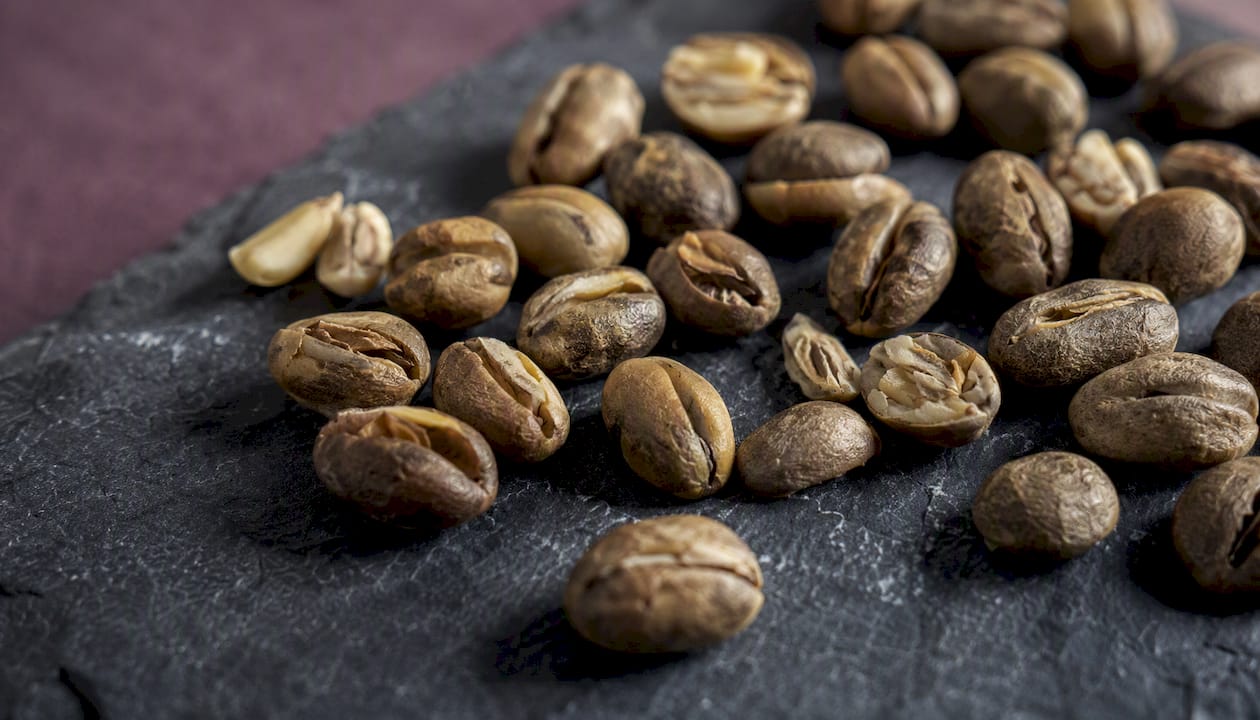
Here are the five varieties most likely to appear in U.S. specialty markets:
Laurina (Bourbon Pointu) is a natural mutation of Bourbon Arabica, originally from Réunion Island. Its caffeine typically falls in a low range below 1% caffeine, roughly a third of standard Arabica. The cup is delicate, with soft acidity, floral notes, and a sweetness that makes it genuinely pleasant without milk or sugar. Laurina is fragile and low-yielding, which keeps supply tight and retail prices high. Expect to pay a significant premium when you find it.
Aramosa is a hybrid developed by crossing Coffea arabica with Coffea racemosa. Caffeine sits around 0.2–0.6%, and the cup leans toward light, tea-like clarity with mild fruit notes. It’s still largely in the hands of research programs and a handful of specialty roasters, so U.S. availability is limited to occasional micro-lot releases.
Coffea eugenioides is one of the two parent species of Arabica itself, with caffeine around 0.3–0.4%. The flavor is unusually sweet and low in bitterness, almost syrupy, which has made it a curiosity at high-end competitions. It’s extremely rare in the U.S. and typically appears only as a novelty offering from specialty importers.
AC1 is a low-caffeine Arabica line developed through breeding programs at the Instituto Agronômico de Campinas (IAC) in Brazil. It carries caffeine levels comparable to Laurina but was bred for better yield and disease resistance, making it more commercially viable over time. AC1 is still under agronomic evaluation and not yet widely available to U.S. consumers, but it’s the variety most likely to reach mainstream specialty markets in the coming years.
Coffea racemosa / Excelsa is a wild species native to coastal Mozambique. Caffeine is low, typically under 0.5%, and the cup is distinctly different from Arabica: earthy, slightly smoky, with a thin body. It’s occasionally used in Aramosa breeding and appears in micro-lot form from adventurous importers.
| Variety | Caffeine level | Flavor profile | Availability / price | Best brew approach | Best for |
|---|---|---|---|---|---|
| Laurina (Bourbon Pointu) | ~0.2–0.6% | Floral, sweet, soft acidity | Very rare / expensive | Light roast, pour-over | Flavor-first, low sensitivity |
| Aramosa | ~0.2–0.6% | Tea-like, mild fruit, light body | Very rare / premium | Light roast, pour-over | Curious drinkers, low sensitivity |
| Coffea eugenioides | ~0.3–0.4% | Sweet, low bitterness, syrupy | Extremely rare / high cost | Light roast, drip or pour-over | Specialty enthusiasts |
| AC1 | ~0.3–0.8% | Similar to Arabica, mild | Rare / emerging | Medium roast, drip | Moderate sensitivity, future availability |
| Coffea racemosa | Under 0.5% | Earthy, smoky, thin body | Very rare / micro-lot | Medium roast, drip | Adventurous drinkers |
For U.S. buyers, the realistic path to these varieties runs through specialty roasters who source micro-lots, direct-trade importers, and platforms that run seasonal or auction-based drops. Search terms like “Laurina micro-lot,” “naturally low caffeine coffee,” or “Bourbon Pointu” will surface the right sellers. Prices for Laurina and Eugenioides micro-lots often run $25–$50 per 100g or more, reflecting the farming difficulty and low yield. AC1 and Aramosa are cheaper when available, but supply is genuinely unpredictable.
Decaffeinated coffee vs. naturally low-caffeine beans: which to choose
These two approaches solve the same problem differently, and the right choice depends on how much caffeine you need to eliminate and how much you care about processing.
Decaf: pros and cons
-
Widely available at every price point, from grocery store bags to specialty roasters.
-
Removes most caffeine, typically over 95%, but trace amounts always remain. depending on the method, making it the closest option to caffeine-free.
-
Flavor quality varies significantly by process and roast freshness; poorly processed or stale decaf can taste flat or papery.
-
Trace caffeine always remains, which matters for people with strict medical restrictions.
Naturally low-caffeine beans: pros and cons
-
No chemical or mechanical processing; caffeine reduction is genetic.
-
Flavor is fully intact and often exceptional, especially with Laurina and Eugenioides.
-
Still contains measurable caffeine (0.2–0.8%), so it’s not a substitute for decaf if you’re avoiding caffeine entirely.
-
Rare, expensive, and inconsistently available in the U.S.
How decaffeination actually works matters when you’re choosing a bag. The three main methods each make different trade-offs:
Swiss Water Process uses hot water and activated charcoal filters to draw out caffeine without solvents. It’s certified organic-compatible and tends to preserve origin flavors well, though very delicate aromatics can be muted.
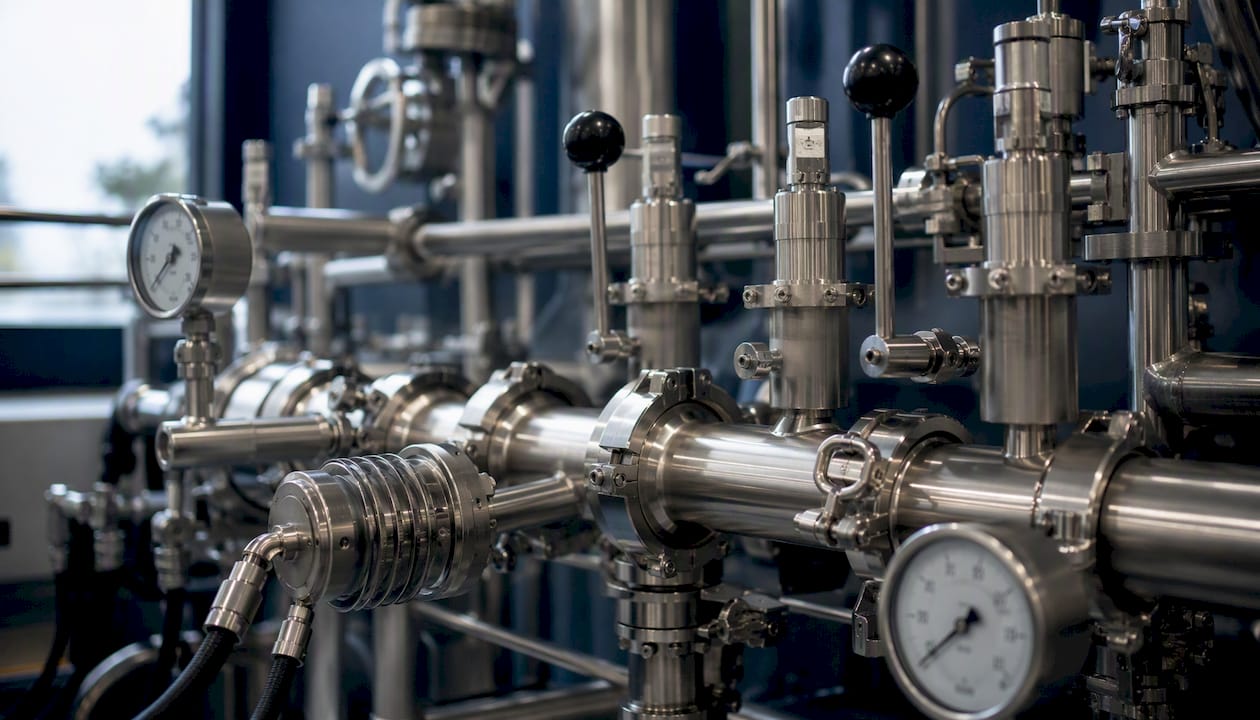
Supercritical CO2 uses pressurized carbon dioxide to selectively extract caffeine. It’s the gentlest method for flavor preservation and is common in high-end specialty decaf, though it’s more expensive to produce.
Ethyl acetate (EA) via sugarcane is a naturally derived solvent process. Some roasters specifically choose sugarcane EA for its flavor-preserving qualities, and it’s increasingly popular in specialty circles. The solvent is derived from fermented sugarcane, which gives it a natural-process marketing angle.
All three methods leave trace caffeine. If you need near-zero caffeine for medical reasons, decaf is the right category, but check the process and roast date on the label.
Pro Tip: When buying decaf, look for the decaffeination method on the bag and a roast date within the past four weeks. Fresh-roasted Swiss Water or CO2 decaf from a specialty roaster will taste noticeably better than a grocery-store bag with no roast date.
Roast and brewing techniques that lower caffeine without losing flavor
You don’t need rare beans to meaningfully reduce caffeine per cup. A few adjustments to how you brew can cut caffeine by 20–40% without touching your coffee selection.
Practical brewing adjustments, ranked by impact:
-
Reduce your dose. Drop from 18g to 12g per 12 oz cup. You’ll get a lighter brew, but with good beans, it’s still flavorful. This is the fastest lever.
-
Use a shorter contact time. For French press, try shortening the steep time to reduce caffeine. For pour-over, a faster pour with a coarser grind reduces extraction.
-
Go coarser on the grind. A coarser grind slows extraction and reduces caffeine yield per gram of coffee.
-
Lower water temperature slightly. Brewing at 195°F instead of 205°F extracts caffeine more slowly. The difference per cup is modest but real.
-
Choose a smaller serving. A 6 oz cup of drip coffee has roughly half the caffeine of a 12 oz cup brewed at the same ratio.
-
Dilute cold brew. Cold brew concentrate is high in caffeine, but diluting 1:3 with water or milk brings it to a manageable level while keeping the smooth, low-acid flavor cold brew is known for.
Half-caff blending is one of the most practical strategies for everyday drinkers. Roasters blend decaffeinated and regular beans at ratios like 60/40 or 50/50 to create balanced lower-caffeine coffees that taste like the real thing. You can do this at home by mixing your favorite whole-bean coffee with a quality decaf at whatever ratio suits your tolerance. Start at 50/50 and adjust from there.
Pro Tip: For a simple home half-caff, grind your regular and decaf beans together rather than separately. It creates a more uniform extraction and a more consistent cup than brewing them separately and mixing.
Availability, price expectations, and where to find low-caffeine coffee in the U.S.
The honest picture: naturally low-caffeine varieties are genuinely hard to find and expensive when you do. Decaf and half-caff blends are everywhere. Here’s where to look for each.
Where to find naturally low-caffeine micro-lots:
-
Specialty roasters with direct-trade sourcing relationships (search their seasonal or limited-release menus).
-
Green coffee importers and auction platforms like Algrano or Royal Coffee, which occasionally list Laurina or Aramosa lots.
-
Subscription services from roasters who specialize in rare varieties.
-
Search terms that work: “Laurina micro-lot,” “Bourbon Pointu,” “naturally low caffeine coffee,” “Coffea eugenioides.”
Where to find quality decaf and half-caff blends:
-
Specialty roasters nationwide (most carry at least one Swiss Water or CO2 decaf).
-
Subscription services like those offering low-caffeine blend subscriptions with 25–50% caffeine reduction.
-
Grocery specialty sections for widely distributed brands; check for roast dates.
Price expectations vary sharply by category. A quality Decaf from specialty roasters typically runs $16–$22 per 12 oz bag. Half-caff blends from roasters are in a similar range. Naturally low-caffeine micro-lots, when available, often start at $25–$40 per 100g for Laurina and can go higher for Eugenioides. AC1 and Aramosa, when they appear, tend to be closer to premium Arabica pricing.
Because caffeine naturally deters pests, naturally low-caffeine varieties are more vulnerable to disease and produce lower yields, which is why the price premium is structural, not just marketing. You’re paying for a farming challenge that most producers can’t profitably sustain at scale.
Pro Tip: Sign up for new-release notifications from two or three specialty roasters who focus on rare varieties. Laurina and Eugenioides lots sell out quickly, often within days of release.
Is low-caffeine coffee actually healthier?
The short answer: it depends on why you’re reducing caffeine. Lowering caffeine removes the stimulant effects, which helps specific groups, but it doesn’t automatically make coffee a health food or eliminate all concerns.
Who genuinely benefits from lower caffeine:
-
People with sleep difficulties, since caffeine has a half-life of roughly 5–6 hours and can disrupt sleep even when consumed in the afternoon.
-
Those experiencing anxiety, heart palpitations, or jitteriness from standard coffee.
-
People with bladder sensitivity or acid reflux triggered by caffeine.
-
Pregnant individuals, for whom most clinical guidelines recommend limiting caffeine intake.
Some reports suggest decaf may produce a more favorable short-term cardiovascular response in caffeine-sensitive individuals, though overall health outcomes depend heavily on individual circumstances. Decaf still contains chlorogenic acids, antioxidants, and other bioactive compounds found in regular coffee, so many of the non-caffeine benefits of coffee remain.
What low-caffeine coffee doesn’t do: it doesn’t eliminate acidity, it doesn’t remove all processing-related compounds, and it doesn’t guarantee better health outcomes on its own. If you’re switching to decaf or naturally low-caffeine beans for a specific medical reason, the evidence supports the switch for caffeine-related symptoms specifically.
A note on processing: if you have a sensitivity to specific solvents or chemical residues, the decaffeination method matters. The Swiss Water and CO2 decaffeination processes processes are solvent-free; ethyl acetate processes use a naturally derived solvent that is generally considered safe but worth knowing about.
If you have a medical condition, are pregnant, or have a known caffeine sensitivity or allergy, consult your healthcare provider before making significant changes to your caffeine intake.
How to switch from regular coffee to lower-caffeine options: a practical plan
Cutting caffeine abruptly can cause headaches, fatigue, and irritability for a few days. A gradual reduction over two weeks avoids most of that.
-
Measure your baseline. Track how many cups you drink per day and estimate your total caffeine (roughly 80–100mg per 8 oz drip cup as a starting point).
-
Pick your route. Choose half-caff blends for the easiest transition, naturally low-caffeine beans if flavor is the priority, or decaf if you need near-zero caffeine.
-
Week 1: replace 25–50% of your regular coffee with your chosen lower-caffeine option. If you drink two cups a day, make one of them half-caff or a naturally low-caffeine variety.
-
Week 2: increase the proportion. Move to 75% lower-caffeine, or switch entirely if symptoms are manageable.
-
Adjust brew strength and serving size alongside the bean switch to compound the reduction.
-
Track your symptoms. Note sleep quality, energy levels, and any headaches. If withdrawal symptoms are significant, slow the transition.
A simple two-week sample schedule:
-
Days 1–3: 50% regular / 50% half-caff blend, same dose and brew method.
-
Days 4–7: 25% regular / 75% half-caff or decaf.
-
Days 8–10: 100% half-caff or naturally low-caffeine variety; reduce dose by 10–15%.
-
Days 11–14: Maintain or move to full decaf if the goal is near-zero caffeine.
Pro Tip: Keep a simple daily log to track sleep quality, afternoon energy, and any jitters or headaches. Two weeks of data will tell you exactly where your personal sweet spot is, and you won’t have to guess.
Emberk mushroom coffee as a low-to-moderate caffeine alternative
For readers who want coffee flavor and a calm energy lift without the jitter-and-crash cycle, Emberk’s mushroom coffee blends offer a different kind of solution. Rather than removing caffeine entirely, Emberk’s products deliver low-to-moderate caffeine alongside six functional mushrooms: Lion’s Mane, Chaga, Reishi, Turkey Tail, Maitake, and Cordyceps. The result is a cup that supports mental clarity and sustained energy without the spike that often follows a standard double shot.
Who this fits well:
-
Busy professionals and parents who want alertness without anxiety.
-
People who are caffeine-sensitive but not caffeine-free, and who want added adaptogen support.
-
Anyone who finds decaf unsatisfying but needs to cut back on stimulation.
-
Readers who want a convenient, instant-format option without sourcing rare micro-lots.
How Emberk differs from decaf and naturally low-caffeine beans: the caffeine is intentionally moderate rather than minimized, and the functional mushroom ingredients add a layer of cognitive and wellness support that neither decaf nor Laurina provides. All products are made from 100% fruiting body mushrooms with no fillers, no added sugars, and no artificial ingredients. They’re also dairy-free and lab-tested, which matters for readers who care about sourcing transparency.
For more on the functional mushroom ingredients and their wellness rationale, the benefits of medicinal mushrooms page covers the science behind each one. If you’re curious about what to look for when buying mushroom coffee, Emberk’s mushroom coffee purchase guide is a practical starting point.
What actually matters when you’re choosing low-caffeine coffee
Here’s a perspective worth sitting with: most of the conversation around low-caffeine coffee focuses on the beans, but the bigger variable for most people is how they brew and how much they drink. A Laurina micro-lot brewed at 20g per cup will deliver more caffeine than a standard Arabica brewed at 10g. The variety matters, but dose and method matter more in practice.
That said, naturally low-caffeine varieties are genuinely exciting for a specific kind of drinker: someone who wants to cut caffeine without any processing trade-offs and who is willing to pay for rarity. If that’s you, Laurina is worth seeking out at least once. The flavor is distinct enough that it changes how you think about what coffee can taste like.
For everyone else, the pragmatic path is half-caff first. It’s affordable, consistent, and gives you a real sense of how much caffeine reduction you actually need before committing to full decaf or a specialty micro-lot. Most people who try half-caff find they don’t need to go further.
One more thing worth saying: freshness matters more in decaf than in regular coffee. The compounds that give decaf its flavor are more volatile after the caffeine is removed, so a stale decaf bag from a grocery shelf will always disappoint. Buy from roasters who list a roast date, and drink it within three to four weeks of roasting.
Emberk brings low-to-moderate caffeine and functional mushrooms together
If you’ve been reading this and thinking “I want less caffeine, but I don’t want to give up the ritual or the energy lift,” Emberk’s mushroom coffee is built for exactly that. It’s instant organic coffee infused with six functional mushrooms, delivering a calm, focused energy that doesn’t spike and crash. No jitters, no afternoon slump, and no sourcing a rare micro-lot from a seasonal drop.
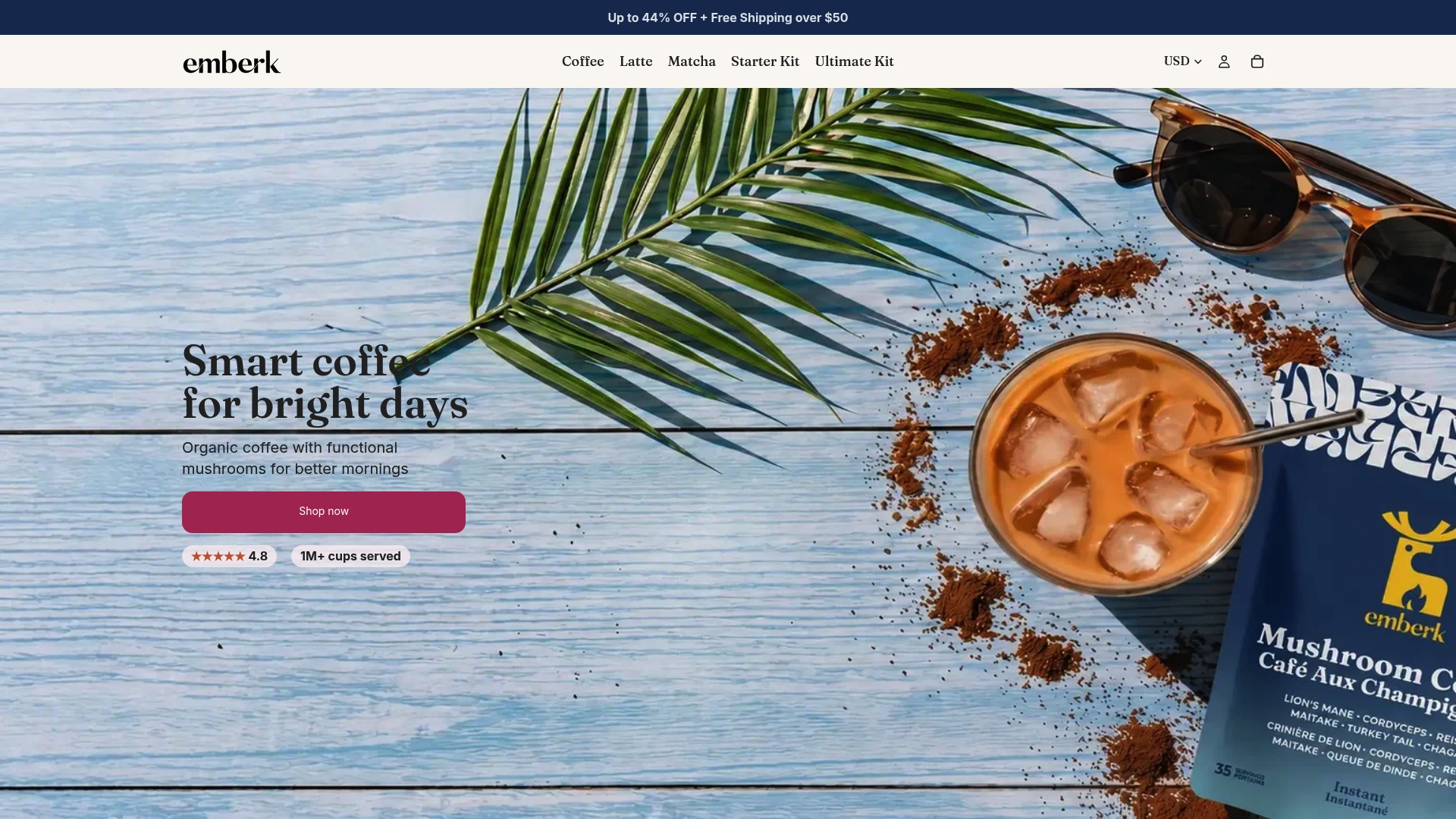
Emberk blends use 100% fruiting body mushrooms, are lab-tested, and contain no fillers, artificial ingredients, or added sugars. It’s dairy-free and designed for people who want their morning cup to do more than just wake them up. Whether you’re a busy professional, a parent managing a packed schedule, or someone who’s simply tired of feeling wired and then flat, Emberk fits naturally into a lower-caffeine routine.
Try the Mushroom Coffee and Latte Starter Kit to find the blend that works for you, or set up a subscription for a consistent, lower-stimulation morning without the guesswork of hunting down seasonal micro-lots.
Sources
These are the most useful sources referenced throughout this article. Checking roast and processing notes directly on sellers’ product pages is always worth the extra minute before you buy.
-
A Guide to Low-Caffeine Coffee Species: Laurina, Eugenioides, Racemosa, Aramosa & More
-
The Best Decaf Coffee, According to Taste Tests | Serious Eats
-
Low-Caffeine Blends - DEKÁF SUBSCRIPTION | FREE U.S. SHIPPING
-
5 Surprising Health Benefits of Decaf Coffee You Probably Didn’t Know
0 comments